
Pitch Report Guide: How Pitch & Weather Change a Match
A good match preview helps you understand a game before the first ball is bowled, and this page brings you the cricket match preview for today and the days ahead. Each match preview today covers the key talking points: the pitch report and how conditions may suit batters or bowlers, the probable playing 11 for both sides, and the latest team squad news on injuries, returns and rest. You will also find the head to head record between the teams, which shows how past meetings have gone, along with simple cricket match analysis on form and key players. The IPL match preview section follows the same format through the season. Remember that previews are based on available information and expert reading, not certainty, because cricket is unpredictable and teams often change their lineup at the toss. Confirm the final playing 11 once it is announced, and treat any preview as background reading rather than a guarantee of the result.
A pitch report tells you what the 22-yard strip looks like before a match: how hard or dry it is, how much grass it has, and whether it should help batters, fast bowlers or spinners. Add the weather, dew, toss decision and boundary size, and you can understand why one game ends at 220 and another at 140. This guide shows you how to read a pitch report in plain words.
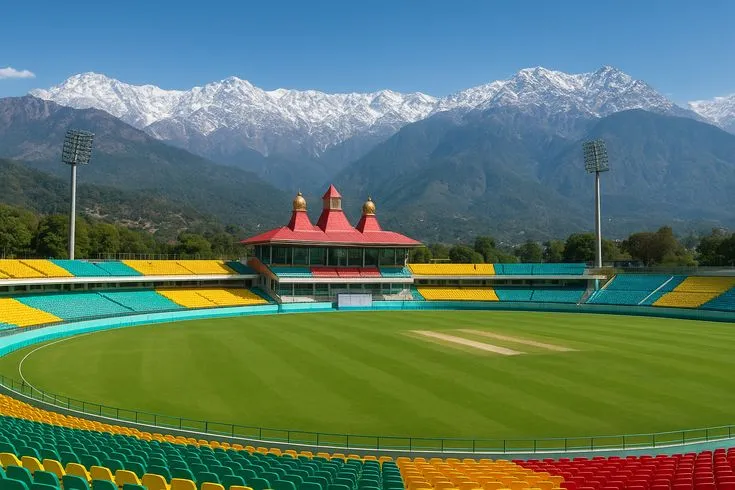 🌱 Read the pitch before the toss
IPL Prediction Today: Pitch Report, Toss & Playing 11
The IPL is one of the most closely followed cricket leagues in the world, and many fans look for an IPL prediction today before each game to understand how it might play out. This guide brings together the IPL match prediction, the IPL pitch report today, toss factors and an IPL playing 11 prediction in one place. A good IPL match analysis looks at recent team form, the head to head record, key players, and how the pitch is likely to behave, for example whether it favours batters, seamers or spinners, and whether chasing or setting a target has been easier at that venue. The IPL toss prediction and IPL winner prediction sections explain these factors rather than claiming to know the result. Remember that cricket is unpredictable, the toss and conditions can change plans, and any prediction is an opinion based on available information, not a certainty. Confirm the final playing 11 after the toss, and be cautious of anyone selling “sure” predictions or paid tips.
Pitch report today: what it means
When a broadcaster or website shows the "pitch report today", a former player or expert has usually walked out to the middle before the toss. They press the surface with a key or their fingers, look at the colour and the cracks, and check how much grass is left. From that they give a simple view: "good for batting", "something for the seamers early", or "will turn later".
A pitch report is an informed opinion, not a promise. Pitches can surprise even experts. Use it as one clue next to the weather, the team news and the venue's history. If some of the words feel new, keep our cricket terms glossary open while you read.
Pitch types and what each one favours
Most pitches fall into four broad types. Real pitches are often a mix, for example "flat but slightly slow".
| Pitch type | What it looks like | Usually favours | What to expect |
|---|---|---|---|
| Flat / batting | Hard, even, light brown, little grass | Batters | True bounce, ball comes onto the bat, high totals and fast scoring |
| Green / seaming | Visible grass cover, often a bit damp | Fast and swing bowlers | Ball moves off the seam early, more edges, lower scores in the first hour |
| Dry / turning | Dry, dusty, cracks or rough patches | Spinners | Grip and turn, uneven bounce, gets harder to bat on as the match goes on |
| Slow / low | Dull, softer surface, used pitches | Cutters, slower balls, spinners | Ball stops on the bat, timing is hard, scores are lower than they look |
How a pitch changes during a match
A pitch is not the same at 7 pm as at 10 pm, and it is very different on day five of a Test compared with day one.
- T20 and ODI (one day): the change is small but real. Under the sun, a pitch can dry and slow down in the second innings. Under lights, dew often makes it skid on and play better.
- Test matches: day 1 often helps seamers, days 2–3 are usually best for batting, and days 4–5 bring cracks, rough patches and more turn for spinners.
- Used pitches: late in a tournament, a pitch that has hosted several games tends to be slower and lower.
Weather: clouds, heat and humidity
Overcast skies and swing
Cloud cover and moisture in the air help the ball swing. On a grey morning, fast bowlers can be dangerous with the new ball, even on a pitch that looks flat.
Heat
Strong sun dries the pitch faster, which brings spinners into the game later. Heat also tires bowlers and fielders, which can lead to loose overs at the end of an innings.
Humidity and rain
Humid air can help swing and also leads to dew later in the evening. Rain can delay the start or shorten a match, and then the target is reset with the DLS method. Covered pitches can also play a little livelier after rain.
Dew in night matches
In many Indian evening matches, especially from October to April, moisture settles on the grass as the air cools. The ball gets wet, so bowlers struggle to grip it, spinners lose turn and yorkers become harder to land. Batting usually gets easier in the second innings.
That is why many captains choose to chase after winning the toss in night games. They expect the second half of the match to be easier for batting. Umpires may allow the ball to be changed in very wet conditions, and grounds use anti-dew sprays, but dew still often makes a difference.
Toss decisions and boundary size
What the toss decision tells you
The toss itself is close to a coin flip, but the captain's choice after it shows how the team reads the pitch:
- Choosing to chase: usually expects dew, wants to know the target, or sees early help for their bowlers.
- Choosing to bat first: usually expects the pitch to slow down or turn later, or there is no dew expected.
Boundary size
Square and straight boundaries vary from ground to ground, and even from match to match depending on which pitch strip is used. A short boundary on one side invites big hitting there; a long boundary rewards spinners and good fielding. A small ground with a flat pitch usually means a high total.
Indian grounds: usual tendencies
Every ground has a reputation, but conditions change with the season, the strip used and the curator's plan. Treat these as general tendencies, not rules:
| Ground | City | Usual tendency |
|---|---|---|
| M. A. Chidambaram (Chepauk) | Chennai | Usually dry and slow; often helps spinners |
| Wankhede Stadium | Mumbai | Usually high-scoring with good bounce; dew in evening games |
| M. Chinnaswamy Stadium | Bengaluru | Usually high-scoring; small ground and high altitude help big hitting |
| Eden Gardens | Kolkata | Usually a good batting pitch; spinners can come into play |
| Rajiv Gandhi Stadium, Uppal | Hyderabad | Often good for batting, especially on hard, flat strips |
| Narendra Modi Stadium | Ahmedabad | Large ground; pitches vary depending on the soil used |
These are broad tendencies based on how these grounds usually play. Always read the pitch report for that day.
Pre-match checklist
Run through these six checks before the first ball. It takes five minutes and helps you understand the match far better than a guess:
- Pitch type: flat, green, dry or slow? Is it a fresh or a used strip?
- Weather: clouds, heat, humidity, chance of rain.
- Day or night: if night, how much dew is expected?
- Toss and decision: who won it and why did they choose to bat or chase?
- Boundary size and venue history: what are typical first-innings scores here?
- Playing XI: how many spinners and fast bowlers did each team pick for these conditions?
For the bigger picture on formats and match rates, see our online cricket guide and cricket rates explained. Following the IPL? Our IPL 2027 guide covers the teams, home grounds and format.
Pitch Report Questions
What does "pitch report today" mean?
It is an expert's look at the pitch before the toss on match day: how hard, dry or grassy it is, and whether it should help batters, fast bowlers or spinners.
How do I read a pitch report?
Listen for three things: grass (helps fast bowlers), dryness or cracks (helps spinners) and hardness (helps batters). Then add the weather, dew and boundary size to judge the likely score.
Why do teams choose to chase in night matches?
Dew makes the ball wet in the evening, so bowling gets harder and batting gets easier in the second innings. Chasing also lets a team know exactly how many runs it needs.
Does cloudy weather help bowlers?
Yes, usually. Overcast skies and moisture in the air help the ball swing, especially the new ball in the first few overs.
Which Indian grounds usually help spinners?
Chepauk in Chennai usually helps spin because its pitches tend to be dry and slow. Conditions still change with the season and the strip used, so check the day's report.
Is a pitch report always right?
No. It is an informed opinion. Pitches can play differently from how they look, so use the report as one clue alongside weather, team news and venue history.
More Guides
How to Judge Gaming Reviews
Read honest online gaming reviews and learn how gaming site ratings work in India, with the criteria used to judge trust and safety. 18+ only.
Read guide →Martingale vs Fibonacci
Compare Martingale and Fibonacci roulette strategies, learn how to play roulette, and see why no system beats the house edge. Honest guide. 18+ only.
Read guide →Rummy Rules
Learn how to play rummy online in India. Understand Indian rummy, 13 card rummy rules, the rummy app and what to know about real cash games. 18+ only.
Read guide →Read the Pitch, Enjoy the Match
Get your online cricket ID on WhatsApp and follow big matches with live streaming. Our team helps 24/7 in Hindi, Telugu and English.